Stamp Grading Checklist: What to Inspect First
Accurate stamp grading is crucial for determining value and authenticity. This checklist guides you through the key elements to inspect first, ensuring you assess your stamps like a professional.
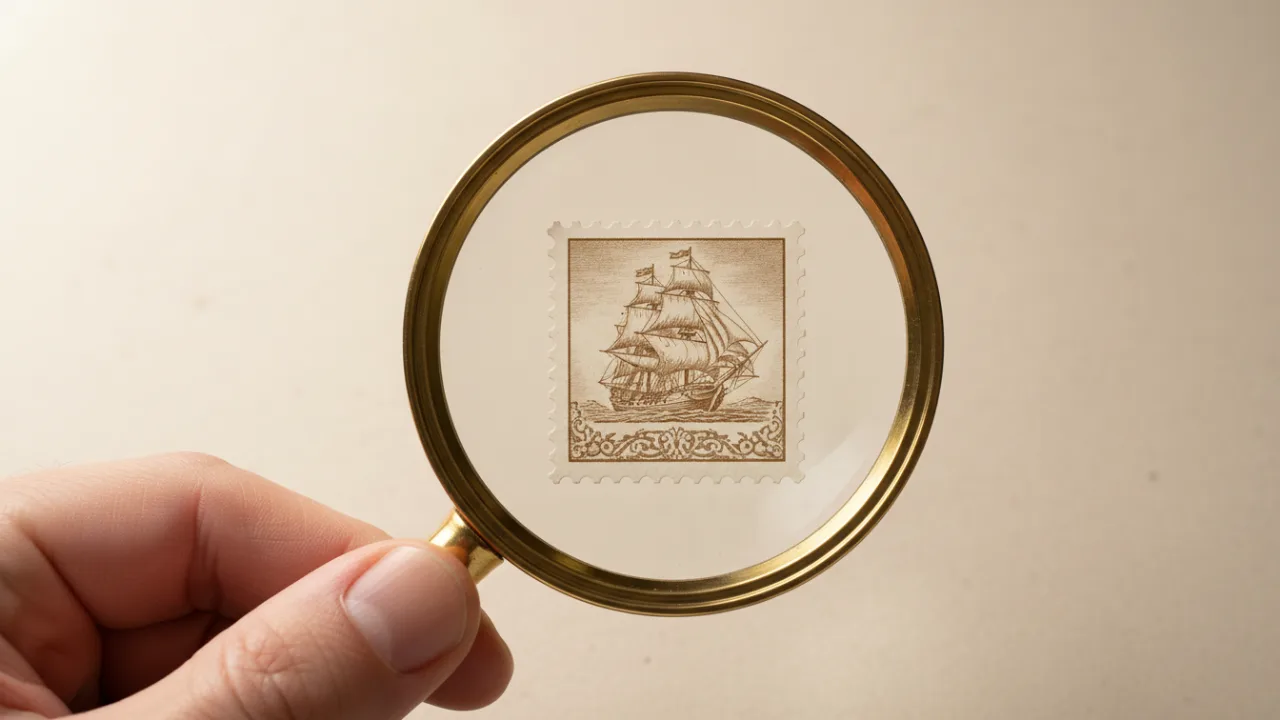
Key takeaways
- Check centering and margins for evenness and balance
- Examine perforations for completeness and uniformity
- Inspect gum condition for original integrity and flaws
- Look for cancellations, postmarks, and overall cleanliness
Understanding Stamp Grading Basics
Stamp grading is a systematic process that evaluates a stamp's condition based on specific criteria. It directly impacts the stamp's market value and collectibility. Beginners often overlook subtle details, but with this checklist, you'll know exactly where to start your inspection.
Professional graders follow standardized systems, but you can apply similar principles at home. Focus on the most visible and critical aspects first, as they provide the foundation for an accurate grade. Remember, consistency in your approach will yield reliable results over time.
Centering and Margins: The First Impression
Centering refers to how evenly the design is positioned within the stamp's borders. Well-centered stamps have equal margins on all sides, which is highly desirable. Off-center stamps, even with minor imbalances, can significantly lower the grade.
Use a ruler or perforation gauge to measure margins accurately. Look for symmetry both horizontally and vertically. For stamps with perforations, ensure they are not cut into the design. This step is quick but essential for an initial assessment.
Perforations: Completeness and Consistency
Perforations affect both the stamp's appearance and integrity. Inspect them for missing teeth, uneven edges, or repairs. Complete, sharp perforations indicate good condition, while damaged ones reduce value.
Run your finger gently along the edges to feel for roughness or irregularities. Compare perforations on different sides to spot inconsistencies. This is especially important for older stamps where wear is common.
Gum Condition: Originality and Flaws
The gum on the back of unused stamps should be intact, smooth, and original. Look for disturbances like thins, stains, or reapplied gum. Any alteration here can downgrade the stamp significantly.
Check for hinge remnants or discoloration, which are common issues. If you're building a , gum condition is a key factor in valuation. Always handle stamps with clean hands or tongs to preserve the gum.
Step-by-Step Inspection Process
- Step 1Examine CenteringPlace the stamp on a flat surface and assess margin equality visually or with tools.
- Step 2Check PerforationsInspect all edges for completeness, using magnification if needed for detail.
- Step 3Evaluate GumLook at the back for originality, avoiding direct contact to prevent damage.
- Step 4Assess Overall CleanlinessScan for cancellations, stains, or marks that affect appearance and grade.
Cancellations and Postmarks
For used stamps, cancellations and postmarks should be light and not obscure the design. Heavy or dark cancellations can lower the grade. Ideally, they should be clear and positioned away from key elements of the stamp.
Inspect for smudges or double impressions, which are common flaws. If you're interested in historical context, our offers insights into postal markings and their significance.
Common Grading Mistakes to Avoid
Many collectors rush through grading or rely on poor lighting, leading to inaccurate assessments. Always use bright, natural light and magnification tools for detail work. Avoid assumptions based on quick glances.
Another mistake is overlooking subtle flaws like thins or creases. Take your time and inspect from multiple angles. For more tips, explore our to maintain stamp condition.
A systematic approach to stamp grading ensures accuracy and consistency, elevating your collection's value.
Frequently Asked Questions
Frequently asked questions
What is the most important factor in stamp grading?
Centering is often the first thing professionals check, as it significantly affects visual appeal and value, but all aspects like perforations and gum condition are equally critical in combination.
Can I grade stamps without special tools?
Yes, basic grading can be done with good lighting and a ruler, but tools like a perforation gauge or magnifier improve accuracy for detailed inspection.
How does gum condition affect a stamp's grade?
Original, undisturbed gum rates higher; alterations like thins, stains, or reapplied gum can lower the grade substantially, especially for unused stamps.
Where can I learn more about stamp collecting?
Visit our for beginner tips, or explore to see graded stamps in person.
Read also: Collection Rare Stamp Catalog Aripex, Auction Live Stamp Auction Aripex, About Aripex Philately Museum & Collector Community.